U.S. visa appointment wait times are estimates for a particular embassy or consulate and visa category—not a confirmed interview date or a prediction of the visa decision. For most short business or tourism trips, applicants check the B-1/B-2 visitor-visa column in the U.S. Department of State’s Global Visa Wait Times table. The estimate can change when a post releases appointments, and the appointment system may show live availability that differs from the published figure.
Sources checked October 14, 2026. This guide explains how to read the estimates and plan responsibly. It does not guarantee an appointment, expedited service, visa approval, or a particular travel date.
What U.S. visa appointment wait times measure
The State Department’s table includes two different measures. “Average wait time” looks backward: it reports how long applicants typically waited from paying the visa fee to the interview date during the previous month. “Next available appointment” looks forward: it estimates when an interview slot may next be available at that post. These figures answer different questions, so one should not be substituted for the other.
The table is updated monthly, but embassies and consulates may release additional slots regularly. The next-available estimate is therefore a snapshot, not a reservation. An applicant who has already booked may sometimes find an earlier date in the official scheduling system. Conversely, demand, staffing, local operations, or changes in available slots can affect what an applicant actually sees.
The published estimate is not the full time needed to obtain a visa. It does not promise how quickly an application will be decided after the interview, how long passport return will take, or whether a case will require additional administrative processing. It also does not tell you whether the officer will approve your application. Keep the appointment stage separate from the later decision and passport-return stages. Our visa processing time guide explains how appointment waits differ from other processing stages.
How to check the estimate for your visa
Use the Department of State’s Global Visa Wait Times table. Search for the city or consular post where you expect to apply, then read the column that matches your visa category. For a typical short visit for tourism or business, check B-1/B-2. Student and exchange visas, petition-based work visas, and crew or transit categories have separate columns.
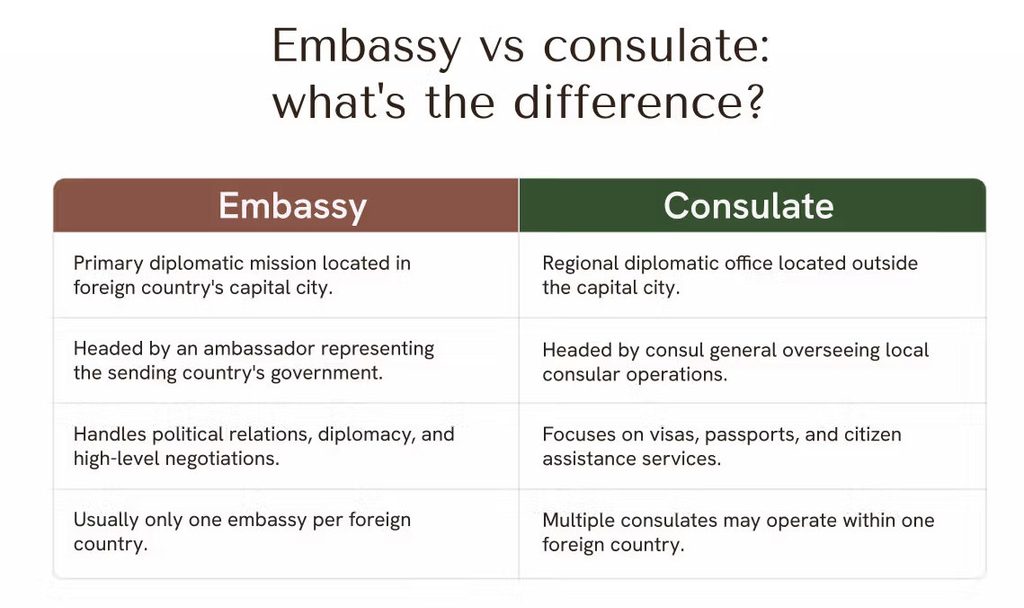
- Confirm the exact post name; a country may have more than one embassy or consulate.
- Select the correct visa category instead of using a nearby category as a substitute.
- Identify whether you are reading “Average wait time” or “Next available appointment.”
- Check the table’s update date and note it if you are comparing estimates later.
- Open the post’s official instructions and appointment system to see the actual booking steps and available dates.
The table may show “NA.” Do not automatically interpret that as “no wait,” “no appointments,” or permission to skip an interview. It means the table does not provide a usable estimate for that entry. The post may not currently process that visa category, or the relevant appointment information may not be available in the table. Check the specific embassy or consulate’s instructions before deciding what to do.
Estimate, appointment slot, and visa decision are different
Think of the process as three separate questions. First, what does the published estimate say about the post’s general appointment availability? Second, what dates can you actually select in the official scheduling portal after completing the required steps? Third, what happens after the interview? An estimate is not a live calendar, a visible date is not a visa approval, and an interview does not guarantee that the application will be issued.
The official calendar is the place to confirm a bookable appointment. A third-party website may display copied or delayed data, but it cannot reserve a government appointment for you. Never share your account password, one-time codes, or sensitive application information with a service that promises guaranteed slots. Use the official appointment system linked from the relevant embassy or consulate website.
Some applicants may be eligible for an interview waiver under the rules in effect at the time and the local post’s procedures. The wait-time table does not show waiver processing time. Do not assume that a renewal qualifies automatically or that a published interview estimate applies to a waiver case. Read the current instructions for the specific post and applicant category. For practical preparation, see our visa interview preparation guide.
Which embassy or consulate should you use?
Do not choose a post only because its estimate appears shorter. Current Department of State instructions direct nonimmigrant visa applicants to schedule in their country of nationality or residence, with designated processing posts for applicants whose countries do not have routine services. If you apply based on residence, you may need to demonstrate that residence. Applying somewhere else can make the process more difficult, and a post may have its own limits on applicants who are not residents.
Before paying a fee or cancelling an existing appointment, check the rules of the post where you intend to apply. Confirm that it accepts your application, which appointment portal it uses, whether your fee can be used there, and what local document or biometrics instructions apply. A shorter estimate in another country is not, by itself, proof that you can apply there or that doing so will save time overall.
A limited paid expedited-appointment pilot
As of the date checked for this guide, the Department of State describes an optional expedited appointment pilot for certain B-visa applicants at selected posts. It is scheduled to run through December 31, 2026, and participation and appointment supply are limited. Under the pilot, an eligible applicant at a participating location may be offered the option to pay an additional fee for an interview within 10 business days, subject to availability and the program’s requirements.
This is not a general service available at every embassy, and it is not the same as an emergency expedite request. Applicants must first follow the regular process, including paying the standard application fee and scheduling a regular appointment. The paid option appears only when the applicant, post, and available appointment meet the pilot’s conditions. The Department says the additional fee is non-refundable and does not guarantee visa issuance or faster processing after the interview. Check the official expedited appointment pilot instructions before relying on it; locations, availability, and dates can change. Our U.S. visa paid-expedite pilot guide covers the option separately.
A separate emergency or urgent expedite request may be available through a post’s regular procedures. An applicant generally needs to follow the post’s instructions and provide evidence for the request. A planned vacation, wedding, graduation, conference, or convenient travel date does not automatically qualify. Never submit inaccurate evidence or pay an unofficial broker claiming to control government appointment slots.
When should you schedule?
Begin early enough to allow for the application form, fee payment, appointment availability, interview, possible follow-up, and passport return. If a trip has a fixed date, use the estimate as one planning input—not as a reason to buy non-refundable tickets. A shorter estimate does not ensure that the application will be decided or the passport returned before departure.
Before starting the appointment process, check that your passport is valid and that the information in your application is accurate. For a visitor visa, applicants generally complete the DS-160 and follow the post’s instructions for paying the fee and booking. Keep the confirmation details and read the local instructions closely; payment methods, appointment portals, and document-handling steps can vary by location. For application steps and supporting evidence, read our U.S. visitor visa application guide.
If the calendar offers an appointment, book only a date you can attend. Before rescheduling, find out whether the local system limits how often you may change a booking, whether the fee remains usable, and what happens to your current slot. If you already have an appointment, check the official portal periodically for earlier dates if the post allows rescheduling. Do not rely on automated tools that violate portal rules or ask for your login credentials.
What to do if the table and portal do not match
First, confirm that you selected the correct post and visa category and that you are viewing a current table. The table is an estimate, while the portal is where the post presents bookable dates to an applicant. If the information still appears inconsistent, follow the instructions on the embassy or consulate’s official website or contact the support channel listed there. Avoid treating a screenshot, social-media post, or old data table as the final answer.
If the estimate changes after you have booked, it does not automatically cancel your appointment. Follow the appointment portal’s notices and check your confirmation. A new estimate also does not guarantee that your own date will move earlier; use the authorized rescheduling process if you want to change it.
Planning checklist
- Check the current Department of State table and record its update date.
- Read the column for your visa category and the post where you are eligible to apply.
- Verify local rules for applicants who are not citizens or residents of that country.
- Use the official appointment portal for live availability, payment, and rescheduling.
- Check interview-waiver, emergency-expedite, or paid-pilot eligibility only through current official instructions.
- Leave room for the interview, additional review, and passport return before making firm travel plans.
- Keep copies of your application, appointment confirmation, payment record, and official instructions.
Frequently asked questions
Does “next available appointment” mean I will get an interview by that date?
No. It is an estimate of appointment availability at a particular post. New slots may be released, and the actual dates shown in the scheduling system can change. The Department of State says published wait times do not guarantee an appointment within a specific period.
Does the wait time include visa processing after the interview?
No. The table concerns interview scheduling. It does not predict the decision date, administrative processing, or passport delivery. Avoid making travel commitments based only on the appointment estimate.
Can I apply at whichever U.S. consulate has the shortest wait?
Not necessarily. Current instructions generally direct applicants to apply in their country of nationality or residence, or at a designated processing post where applicable. A post may limit applications from non-residents. Check eligibility and local instructions before paying or changing locations.
Does a faster appointment mean a higher chance of approval?
No. Appointment speed and visa eligibility are separate. Every applicant must qualify under the rules for the visa category, and only the consular officer can decide the application. Paying for an eligible expedited appointment, where offered, changes appointment timing only; it does not guarantee approval.
For an overview of the visitor-visa process, see our U.S. Tourist Visa (B-1/B-2) application guide. Recheck official instructions close to the date you apply, because appointment policies and available services can change.