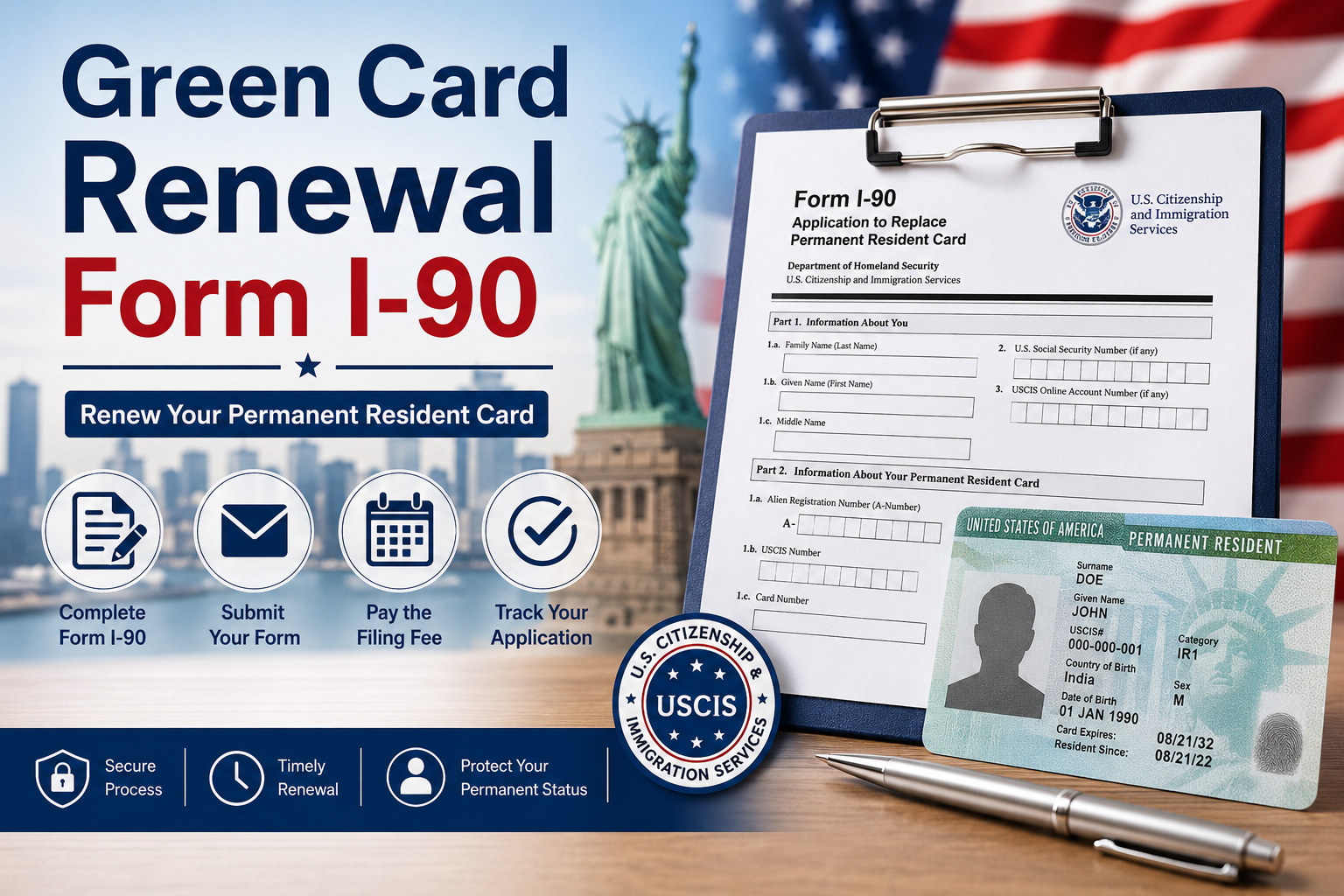
Form I-90, Application to Replace Permanent Resident Card, is used by many lawful permanent residents to renew or replace a Green Card. It is not the right form for every card or immigration-status problem. In particular, a conditional resident whose two-year card is approaching expiration generally needs to file the petition to remove conditions—Form I-751 for many marriage-based cases or Form I-829 for certain investor cases—not use I-90 to renew that conditional card. Choose the filing reason that matches your facts before paying a fee.
Sources checked October 13, 2026. USCIS forms, fees, filing methods and receipt notices can change. Confirm the current form edition, instructions and fee on the day you file. This guide is general information, not legal advice for an individual case.
What Form I-90 does
Form I-90 lets eligible permanent residents request a new Permanent Resident Card when an existing card expires, is about to expire, is lost or damaged, or needs correction or replacement for another reason listed in the form instructions. The reason you select controls what evidence USCIS expects and whether a filing fee applies. Read the current instructions before completing the form; do not choose “renewal” simply because you want a new physical card.
A Green Card is evidence of permanent-resident status, and the printed card has an expiration date. A card’s expiration and your underlying immigration status are related but not identical questions. An expired card may create difficulty proving status for employment, travel or other transactions. Use the current USCIS evidence rules and your receipt notice rather than assuming that an expired card is either proof of everything or proof that your status automatically ended.
Common reasons people file I-90
- Renew an expiring or expired 10-year card: USCIS generally directs permanent residents with an expiring or expired regular card to use I-90. Check the timing rule and current form instructions before submitting.
- Replace a lost, stolen or destroyed card: Select the reason that accurately describes what happened and provide evidence requested for that category. If the card was stolen, keep any police or insurance documentation that may help explain the circumstances, while following USCIS’s actual evidence requirements.
- Replace a card that was issued but never received: The correct response can depend on whether USCIS mailed the card and whether it was returned as undeliverable. Check the specific I-90 reason and fee treatment before refiling.
- Replace a damaged or mutilated card: Follow the instructions about submitting the damaged card or evidence. Do not mail an original document unless the instructions call for it.
- Correct an error made by DHS or USCIS: Explain the government error and include the documents requested by USCIS. This may have a different fee treatment from an error caused by information supplied by the applicant.
- Reflect a legal name or biographic change: Use the appropriate filing reason and provide the legal document establishing the change, such as a court order, if requested.
- Other listed circumstances: Special situations, including certain age-related card requirements or commuter-status changes, have their own reasons and instructions. Read the current form rather than adapting a standard renewal checklist.
Check whether a conditional resident should file I-751 or I-829
A two-year card commonly indicates conditional permanent residence. A conditional resident generally cannot use Form I-90 to replace an expired card or one that will expire within 90 days. If the conditional period is nearing its end, the next step is usually a petition to remove conditions: many marriage-based residents file Form I-751, while certain investor-based residents file Form I-829. These petitions ask USCIS to remove conditions; they are not ordinary card-renewal requests.
There may be separate rules for replacing a lost or damaged conditional card outside the 90-day period before status expires. The exact facts and filing reason matter. Do not assume that every two-year-card issue is handled the same way, and do not wait until after expiration to investigate the correct petition. Read the relevant USCIS instructions or get qualified advice if your marriage, investment, or filing situation is unusual.
A properly filed petition to remove conditions can have different consequences and receipt evidence from an I-90 renewal. Keep the I-797 receipt notice and follow the notice’s instructions. USCIS’s current form instructions explain the conditional-resident process and the evidence of status associated with a pending petition.
Prepare your I-90 filing
Before opening the online form or printing a paper copy, work through these checks:
- Confirm the card type and filing reason. Note whether your card is a regular 10-year card or a two-year conditional card, its expiration date and what happened to it.
- Use the current I-90 edition. USCIS can reject an obsolete edition or a form missing required pages. Verify the edition date and instructions directly before filing.
- Gather identity details. Use your full legal name, A-Number, current mailing address and card information consistently. If a detail changed, gather the supporting legal record.
- Collect reason-specific evidence. This may include a copy of the existing card, evidence of a name change, or materials explaining a delivery problem or government printing error. Submit what the current instructions require—not an unrelated bundle of sensitive documents.
- Check the fee and any exemption or waiver. The amount can depend on the filing reason and method. Some listed situations may be fee-exempt, and some applicants may qualify for a fee waiver under current USCIS rules. Do not assume you qualify; follow the exact instructions.
- Choose online or paper filing as allowed. USCIS offers online filing for I-90. If you file by mail, confirm the current lockbox address for your delivery method and use the current mailing instructions.
Online filing versus mailing a paper form
Online filing can let you submit the application through a USCIS account, pay online where required, receive a receipt and monitor case activity. It may be convenient if your reason and circumstances fit the online process. Save a copy of the completed application, upload confirmations, payment receipt and case number.
Paper filing may be necessary or appropriate for some situations described in USCIS instructions, including a fee-waiver request when online filing does not support it. Mailing addresses can change and can differ depending on the carrier or delivery method. Use the address listed for your exact filing, and keep a complete copy of the signed form and all supporting documents. A courier tracking number only confirms delivery; it is not the same as USCIS accepting the application.
Whichever method you use, review every answer before submitting. Make sure the form is signed in the way USCIS accepts, every required section is complete, and the payment method and amount are correct. A missing signature, wrong fee, outdated form edition or incorrect filing location can lead to rejection and delay. If USCIS rejects the filing, read the rejection notice carefully; do not assume the original submission date was preserved.
Current I-90 fees: verify instead of relying on an old amount
USCIS fees can differ for online and paper filings and may vary by filing category. Some applicants may not owe a fee when the card was never received under the applicable circumstances or when the incorrect information resulted from a government error. Other categories can have different fee rules. Certain applicants may be able to request a fee waiver, but eligibility and available methods are limited and must be checked against current instructions.
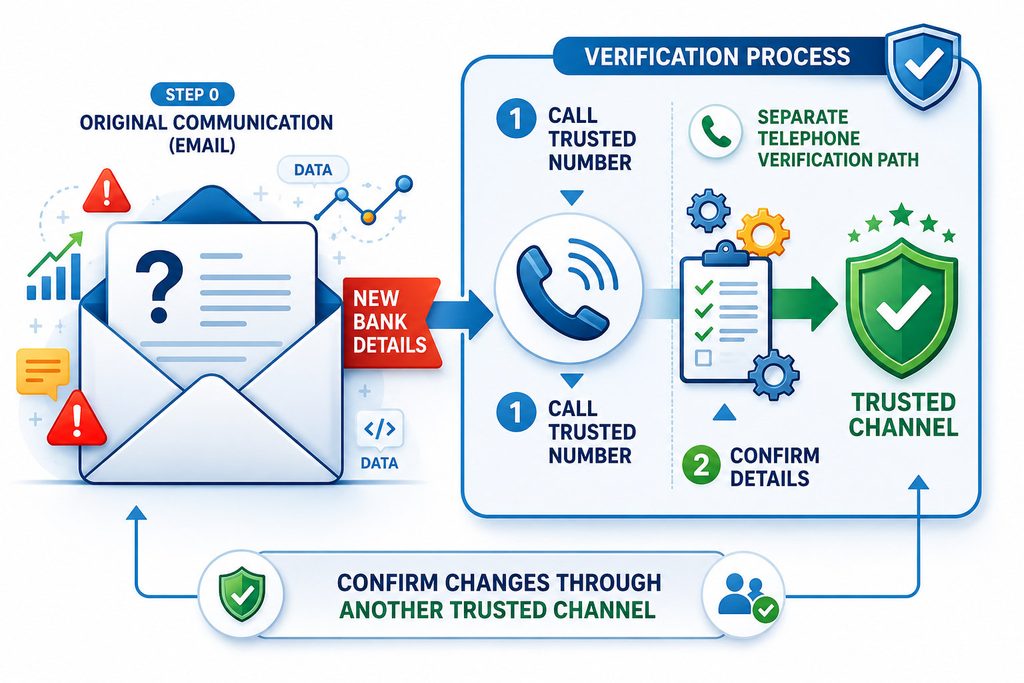
Do not rely on a fee quoted in an old article, social-media post, saved screenshot or third-party calculator. Use USCIS’s fee information for Form I-90 immediately before filing, choose the correct reason and submission method, and follow the payment instructions shown for that category. An incorrect payment can result in rejection. Keep the payment confirmation with your filing records.
What the receipt notice means for an expiring card
For qualifying I-90 renewal filings, USCIS receipt notices extend the validity of the Permanent Resident Card for a stated period while the renewal is pending. The current USCIS notice guidance describes a 36-month extension for eligible renewals, measured from the card’s expiration date. Read the receipt notice itself and confirm that it applies to your filing; do not assume the same extension applies to every I-90 reason, such as a lost-card replacement or a correction request.
If the extension applies, the expired card and receipt notice may together serve as evidence of continued status for specified purposes, including some employment or travel checks. Follow the precise wording on your notice and current USCIS guidance. If you need proof urgently, are outside the United States, or cannot use the card-and-receipt combination for your situation, contact USCIS through its official service channels for the correct evidence. Do not make international travel plans based only on a case-status message.
After filing: track notices and respond on time
Once USCIS accepts the application, save your receipt number and use it to check case status. Keep your mailing address current and open all USCIS notices promptly. USCIS may reuse biometrics, schedule an appointment, request additional evidence or issue a decision. If it requests evidence, send the requested items by the deadline and use the submission method in the notice. A short online status message may not include all details, so read the actual notice.
Processing times vary and are not a guaranteed delivery date. Check the USCIS processing-time tool for the relevant form and follow its instructions for submitting an inquiry if your case falls outside normal processing. If your card was approved but never delivered, use the USCIS non-delivery process only after checking the relevant waiting period and delivery record. Do not file a second I-90 merely because the case is pending unless USCIS’s instructions or your circumstances support doing so.
Common I-90 mistakes to avoid
- Using I-90 to remove conditions from a two-year card nearing expiration.
- Selecting a reason that does not match what happened to the card.
- Using an outdated form, fee, payment method or lockbox address.
- Assuming every properly filed I-90 receives the same card-validity extension.
- Ignoring a receipt notice, biometrics appointment or request for evidence.
- Assuming a pending application guarantees a replacement card by a particular date.
Where to check official instructions
Before filing, review USCIS’s Form I-90 page for current eligibility, instructions, form editions and filing methods. Then use the USCIS fee calculator for Form I-90 to verify the amount for your filing reason and method. USCIS’s current instructions and notices control if they differ from this overview.
To understand how to follow a receipt number and case updates, see our visa application status guide. For a conditional card, review the instructions for the applicable petition rather than treating it as a regular renewal.
GlobalVisora is an independent information platform and is not affiliated with USCIS or the U.S. government. This article is general information, not legal advice. Verify your individual eligibility, fee and evidence requirements with USCIS before filing.