A USA visit visa application should explain a temporary visit clearly: why you are going, how the trip will be paid for, and the circumstances supporting your departure afterward. The usual process includes Form DS-160, the required payment, appointment arrangements and an interview when required. Supporting evidence helps explain your circumstances; it cannot guarantee approval.
This guide concentrates on the travel and financial planning behind a B-1/B-2 visitor application. It includes a worked budget and practical ways to distinguish personal funds, assistance from a host and relevant records. All examples are fictional planning exercises, not government benchmarks or successful applicant case studies.
What visit are you actually asking to make?
Start with the main activity. B-2 covers tourism and visits to friends or relatives, while B-1 permits specified temporary business activities. Ordinary employment and permanent relocation require different consideration. Check whether a visa exemption applies before starting a visa application.
The State Department’s visitor visa guidance explains the route and identifies trip purpose, ability to cover costs and intended departure as possible subjects for additional evidence. Use it alongside the instructions for your application location.
For your own planning, describe the proposed visit in ordinary language. “I plan to spend twelve days visiting museums and seeing my cousin” is more informative than “personal reasons.” Include business activities accurately if they form part of the trip. Do not simplify the description by leaving out something important.
Turn an idea into a realistic travel outline
You do not need a minute-by-minute holiday schedule to organize your thoughts. Identify the intended arrival area, overnight locations, significant travel between cities and approximate departure. Label dates and accommodation as provisional when they are not confirmed.
Test the outline against practical constraints. Three distant cities in six days may involve more transit than sightseeing. A long visit may need more explanation about available time and costs than a short break. Neither duration automatically determines the decision; the question is whether your actual plan is understandable.
For example, an applicant planning a museum visit in Washington and a family stay nearby could separate hotel nights from nights at the host’s home. That distinction changes the accommodation estimate. It also prevents a generic “two weeks in hotels” statement from contradicting the real arrangement.
A worked visitor budget: what the numbers mean
Consider one adult planning twelve days and eleven hotel nights. The following amounts are invented in U.S. dollars to demonstrate arithmetic. They are not current destination prices, required spending levels or evidence that a particular applicant qualifies.
| Expense | Illustrative calculation | Amount |
|---|---|---|
| Return flights | One estimated return fare | $900 |
| Accommodation | 11 nights at $150 | $1,650 |
| Meals | 12 days at $50 | $600 |
| Local transport | Estimated total | $250 |
| Activities | Estimated total | $200 |
| Contingency | Personal planning allowance | $300 |
| Total | Travel estimate only | $3,900 |
This example excludes application charges, appointment travel and any insurance premium. An actual budget should identify those separately. Check whether accommodation estimates include taxes, whether luggage is included in the fare, and whether intercity travel creates additional costs.
Replace every example amount with estimates relevant to your circumstances. Keep the underlying quotes for your own reference, distinguishing quotes from purchases. The State Department advises against buying tickets or making final travel plans before visa issuance.
What changes when two people travel together?
Shared travel does not mean every cost doubles. Two adults might share one hotel room but need separate air tickets and meal allowances. Start with costs charged per person, then costs shared by the group. This prevents both undercounting and treating the same accommodation bill as two separate expenses. Add costs for children or other travelers according to the actual arrangements, not a standard multiplier.
For instance, if the room price in the example remains unchanged, adding a second traveler would not automatically add another $1,650 in accommodation. However, the room occupancy rules, taxes and bedding charges need checking. Meals, fares and activity tickets may change independently. Recalculate from actual quotes instead of assuming that a couple needs exactly twice the budget shown above.
Keep each applicant’s contribution identifiable, especially when one person pays a shared bill and the other reimburses part of it. This worksheet is for clarity, not a separate official requirement. Record currencies and exchange assumptions.
Available money is not just an account balance
The visitor guidance does not publish one bank-balance figure that guarantees eligibility. Avoid treating a social-media claim about a required balance as an official rule. Your proposed costs and the source of payment need to make sense together.
As a personal planning exercise, suppose someone has $7,000 in savings but intends to reserve $4,500 for existing commitments. That leaves $2,500 for the proposed trip, not $7,000. Comparing that figure with the fictional $3,900 budget reveals a planning gap. This calculation is not a consular formula.
Keep ownership and access clear. A bank statement, business account and relative’s savings describe different financial circumstances. Do not present another person’s money as your own. If a transaction needs explanation, identify what actually happened and retain genuine records rather than editing statements.
When a host pays some of the costs
Break assistance into specific items: accommodation, meals, local transport or airfare. A host providing a bedroom is different from a host paying every expense. Explain the arrangement as it exists, including any costs you will still cover yourself.
Imagine a friend offers seven nights of accommodation, while the applicant books four hotel nights and pays all transport. A useful private worksheet would list the host-covered nights separately and calculate the remaining hotel cost. It should not assign a fictional cash payment to free accommodation.
An invitation is not a substitute for the applicant’s qualifications. If assistance changes before the appointment, reassess the plan rather than continuing to rely on an arrangement that no longer exists. Keep explanations factual and consistent with the application.
Select evidence by relevance, not by volume
Begin with the required appointment documents in the official instructions. These are distinct from optional supporting records. Then ask what each additional item explains: a travel purpose, an expense, a funding arrangement or your circumstances outside the United States.
An employee might consult leave information when checking proposed dates. A student might compare travel with their academic schedule. A retired applicant would use their actual circumstances rather than borrow an employment-based template. These are examples of organizing information, not a mandatory document list.
Record the connection between a claim and its evidence. If a document does not relate to anything you need to explain, ask why it belongs in the folder. Extra pages do not repair an inaccurate answer, and a property document is not a guarantee of return.
Where do these plans fit in the application?
Use your planning notes to answer the DS-160 accurately, not to create a story designed to sound impressive. The form requires truthful, complete answers and its own confirmation. Follow the official directions for saving, reviewing and submitting it.
Current State Department guidance directs nonimmigrant applicants to interview in their country of nationality or residence, or an applicable designated processing post. Check the relevant exceptions and operating arrangements before paying. Do not assume that a holiday abroad makes another consulate the appropriate application location.
Compare the submitted information with your current plans before the appointment. If something material changes or an answer is wrong, follow the consulate’s correction instructions. Changing a working itinerary does not automatically update an already submitted application or appointment record.
Explain your circumstances without rehearsed promises
The State Department’s explanation of visa refusals describes how officers consider individual circumstances, travel plans, finances and ties outside the United States. There is no single document that replaces that assessment.
Prepare to explain your own situation rather than repeat a script. If your proposed visit is three weeks, understand why that period fits your activities and commitments. If a relative funds it, understand which expenses they cover. Do not invent employment, relationships or obligations to improve the presentation.
A refusal under section 214(b) is not corrected simply by adding more bank statements. Before reapplying, consider the reason given and whether relevant circumstances or information have changed. Cases involving additional documentation or administrative processing under section 221(g) require attention to their specific instructions.
Questions to settle before submitting your file
Can you explain the main purpose without contradicting the intended activities? Do the overnight locations match the accommodation estimate? Is the payer identified for each substantial expense? Are uncertain dates and quotes clearly distinguished from confirmed arrangements?
Check whether records remain current, whether your answers describe your own circumstances, and whether you have followed the selected post’s instructions. Review nationality-specific notices as well; a complete file does not override an applicable restriction.
A well-organized USA visit visa application makes your plans easier to understand. Its value comes from accuracy and relevant evidence, not expensive bookings, inflated balances or promises of success. GlobalVisora provides independent general information, not individualized legal advice or a guarantee of a visa or admission.
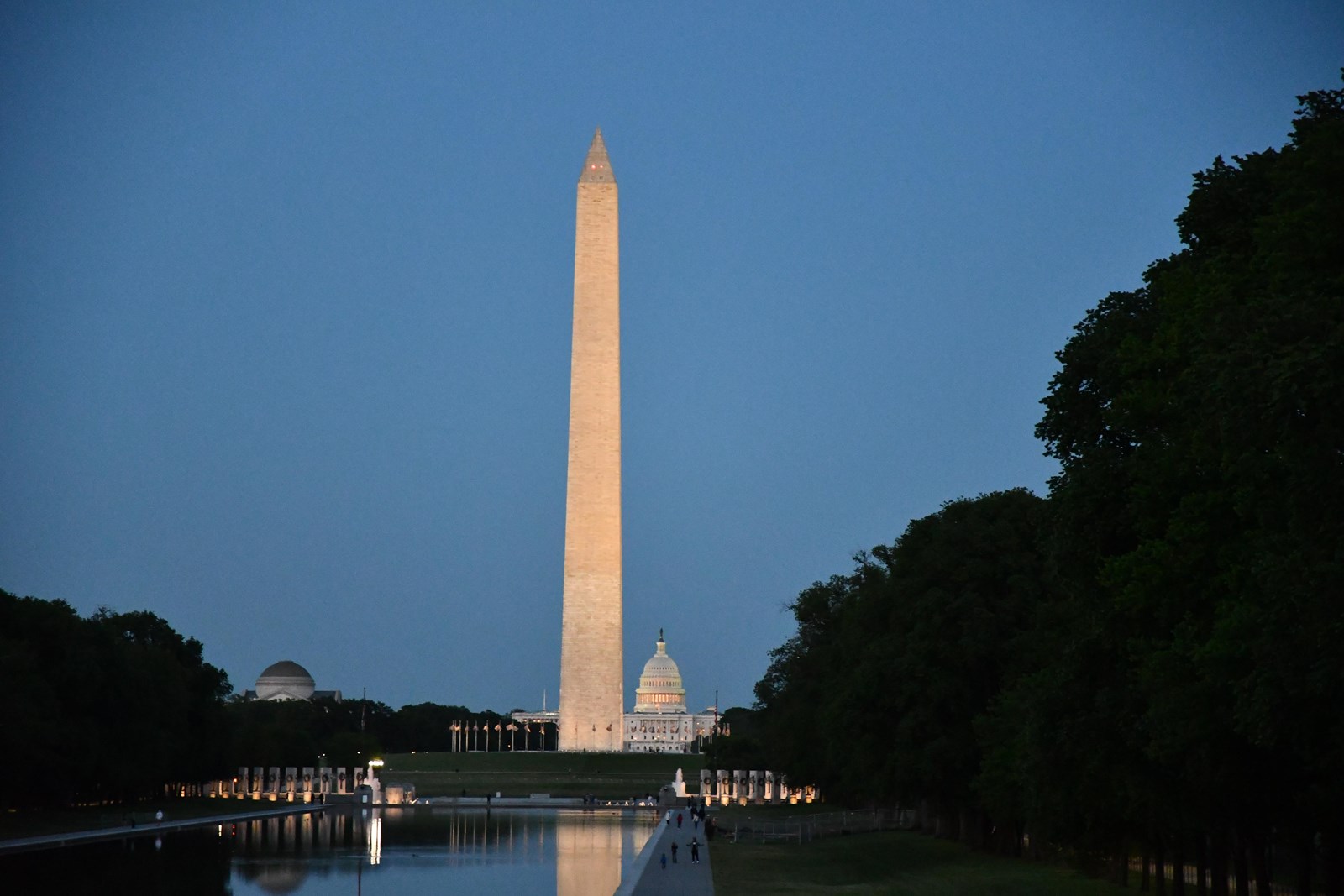
Sources checked: 13 September 2026. Featured photo: NPS/RMendoza, National Mall, Washington, D.C. No claim to original U.S. Government works. No government endorsement implied.